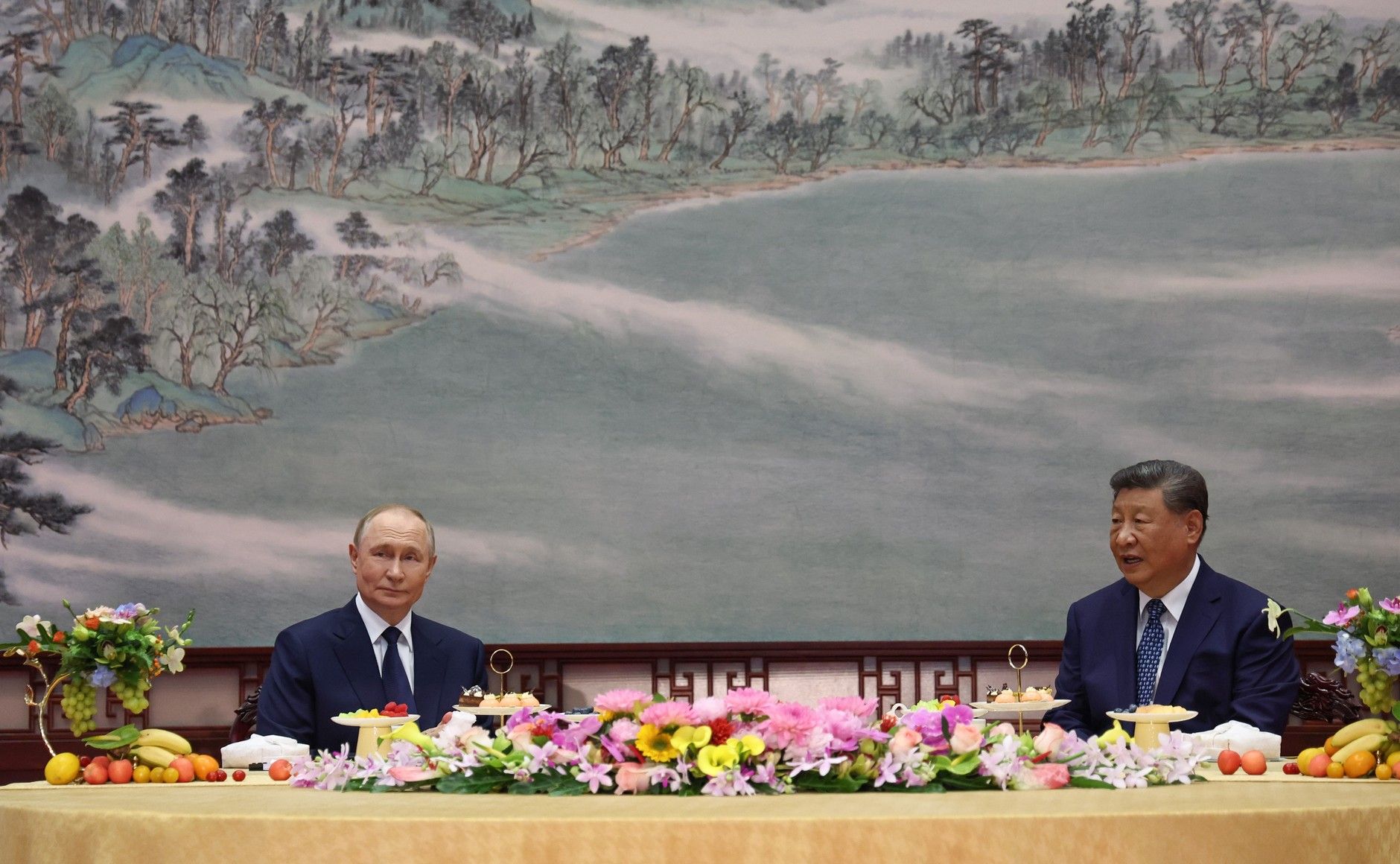
China Has the Leverage to Stop Russian Escalation. It Must Use It Now
Beijing buys half of Russia's crude and is its largest trading partner. That makes China the one actor able to change the Kremlin's calculations, and the one Europe will hold responsible if it does not.
Renaissance Europe
China buys roughly half of Russia's crude exports and anchors its trade. With US tariff powers now passed by Congress and Russian provocations on NATO's border, Beijing's choice will shape the war. Europe should make that choice costly to get wrong.
Everything now depends on Beijing. In July 2026, China bought half of Russia's crude exports, well ahead of India at 37%, while Turkiye and the EU took about 5% each. No other country comes close to that kind of influence over the Kremlin's revenues.
The debate in Europe usually treats China as a bystander to the war in Ukraine. That framing is wrong. China is not watching the war. It is financing the economy that sustains it.
Russia's War Economy Runs Through China
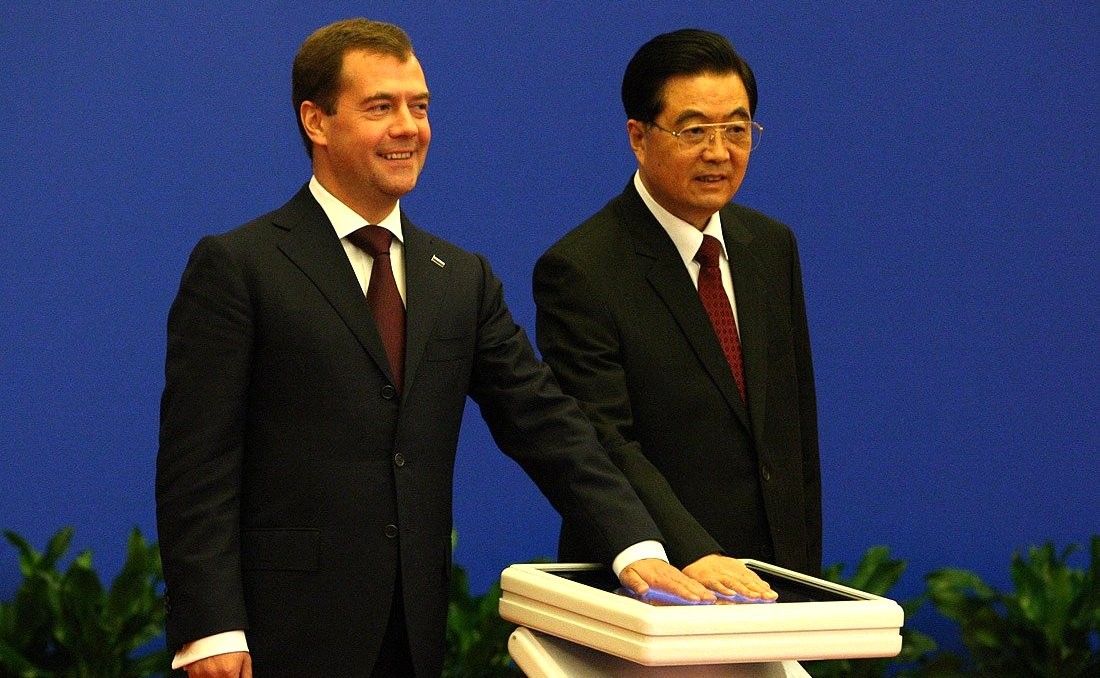
Figure 1
The Skovorodino–Daqing pipeline spur laid the foundation for the energy dependence that now ties Russia's revenues to Chinese demand.
Source: Kremlin.ru via Wikimedia Commons (CC BY 4.0)
The numbers are stark. China imported 11.2 million tonnes of Russian crude in August, around 2.64 million barrels a day, up 41% on a year earlier. In July it was also the largest buyer of Russian fossil fuels overall, accounting for 43% of the export revenue Russia earned from its top five customers, EUR 7.7 billion, with crude making up 70% of that.
The dependence extends beyond energy. Bilateral trade reached $227.9 billion in 2025, and China has been Russia's largest trading partner for 16 years running. Trade grew another 14.7% in the first quarter of 2026, to $61.2 billion.
China's economic weight in Russia
| Indicator | Value | Why it matters |
|---|---|---|
| Share of Russian crude exports | 50% | Beijing is Moscow's single most important oil customer |
| Russian crude imports, Aug 2026 | 2.64 mb/d | Volumes are rising, not falling |
| Share of Russia's top-5 fossil revenue | 43% | China funds a large part of Russia's energy income |
| Bilateral trade, 2025 | $227.9bn | China is Russia's largest trading partner |
| Q1 2026 trade growth | +14.7% | The relationship is deepening during the war |
Source: CREA; Chinese customs; Ministry of Commerce of the PRC
The Leverage Runs One Way
This is not a partnership of equals. Russia–China trade is only modestly larger than China's trade with Thailand and a small slice of Chinese goods trade that topped $5 trillion in 2025. Moscow depends on Beijing far more than the reverse.
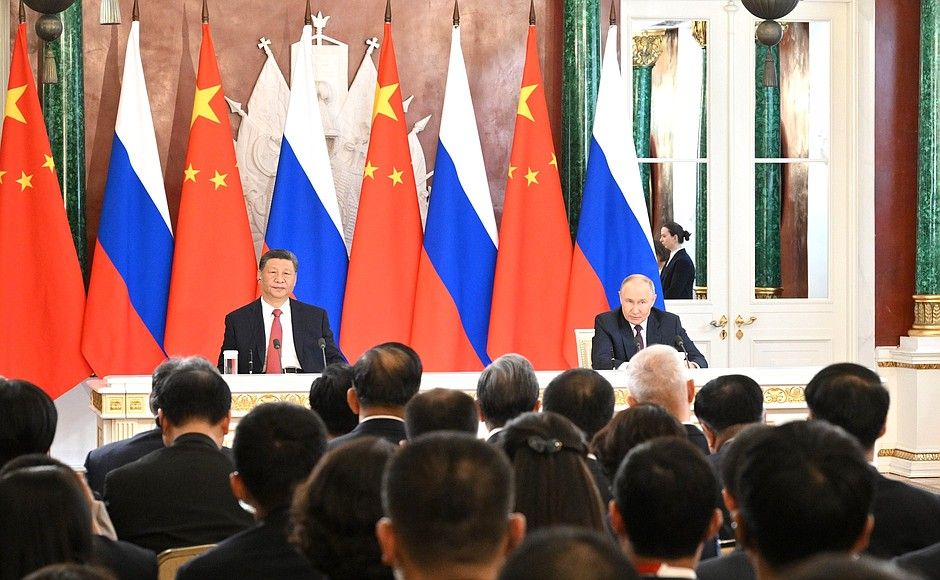
Figure 2
Public displays of partnership mask an asymmetric relationship in which Moscow needs Beijing far more than Beijing needs Moscow.
Source: Kremlin.ru via Wikimedia Commons (CC BY 4.0)
What Russia needs from China
- A buyer for half its crude
- Machinery, vehicles and electronics
- An alternative to Western finance
- Diplomatic cover
What China needs from Russia
- Discounted oil and gas
- A supply route that avoids Hormuz
- A partner against Western pressure
- Nothing it cannot source elsewhere at a higher price
China does not need Russia to win. Russia needs China to keep buying. That asymmetry is the most powerful lever in this war, and Beijing has chosen not to pull it.
The Hormuz Argument Does Not Hold
Beijing's defenders will point to the Gulf. The Iran war has made Russian barrels more important to Asian buyers, and China benefits from the ESPO pipeline, an overland route untouched by disruption in the Strait of Hormuz.
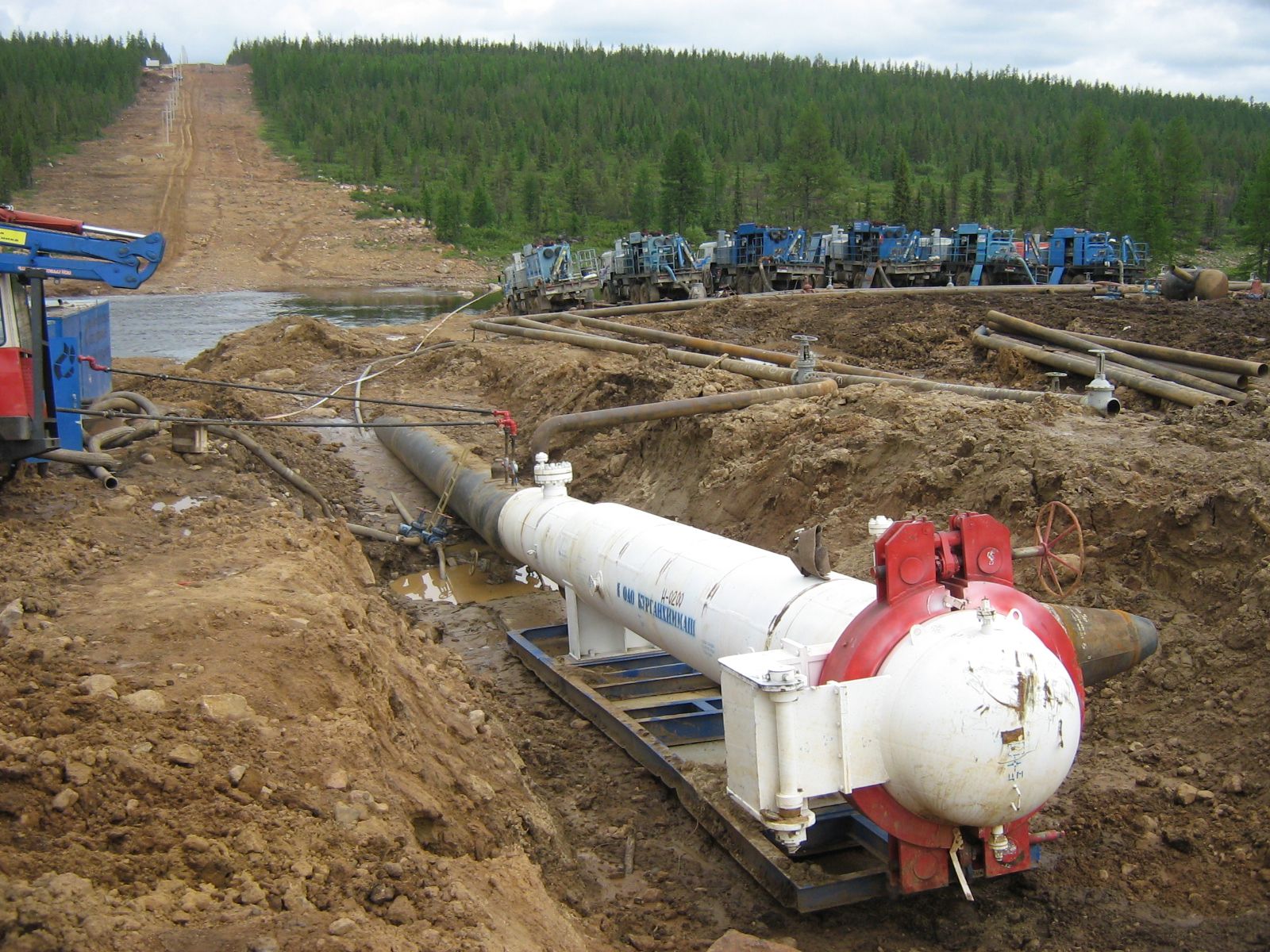
Figure 3
The ESPO pipeline gives China an overland supply of Russian crude that bypasses Gulf shipping routes entirely.
Source: Panoramio via Wikimedia Commons
But China's own behaviour undermines that case. When prices spiked in the second quarter, China cut crude imports by 32%, with Russian waterborne volumes down 640,000 barrels a day. Chinese purchases respond to price and policy. They are a choice, not a necessity.
The Tariff Clock Is Running
Washington has moved. Congress has passed the Sanctioning Russia Act of 2026, giving the president authority to impose tariffs of up to 100% on exports from the top five buyers of Russian energy. The tariffs are not automatic, so how hard they bite depends on how the powers are used.
Beijing's response has been familiar. Its foreign ministry rejected what it called extraterritorial jurisdiction and insisted its trade with other countries is not subject to outside interference.
Meanwhile the risk of escalation is not theoretical. NATO shot down a drone over Lithuania this month that was probably launched by Russia. Every month Beijing keeps buying at record levels, it underwrites the economy behind that behaviour.
What Europe Should Do
Europe has already started. The EU's 19th sanctions package targeted entities in China alongside Russian energy, banks and crypto exchanges, and the EU has committed to ending imports of Russian oil and gas by the end of 2027. The next step is to make clear that China's position will shape its relationship with Europe.
A European response to Beijing's choice
| Policy Area | What Europe Needs |
|---|---|
| Diplomacy | Make Chinese purchases of Russian crude a standing agenda item in every EU–China meeting |
| Sanctions | Expand listings of Chinese refiners, traders and shipping firms handling Russian oil |
| Trade | Coordinate with the US so tariff threats are credible and not easily split |
| Energy | Complete the phase-out of Russian energy so Europe's own position is beyond reproach |
| Market access | Link Single Market access for sensitive sectors to conduct on sanctions evasion |
Source: Article analysis
Conclusion
China has the leverage and the responsibility. It is Russia's largest customer, its largest trading partner, and the one economy Moscow cannot replace.
If Beijing refuses to act, it is choosing to enable Putin. Europe should say so clearly, and respond accordingly.