Emerging Markets FX in Turmoil: The 2026 Oil Shock Is Triggering a Major Currency Crisis
Higher oil prices, a stronger dollar, and imported inflation are creating a severe new stress test for emerging market currencies.
OpenMacro
The 2026 oil shock is putting emerging market currencies under heavy pressure. Higher energy import bills, stronger dollar funding stress, and rising inflation are driving depreciation, limiting policy flexibility, and increasing the risk of a broader EM FX crisis.
The 2026 Iran conflict and the resulting disruption in the Strait of Hormuz have unleashed a perfect storm for emerging market currencies.
Higher oil prices, a stronger US dollar, and surging imported inflation are combining to create one of the most challenging environments for EM FX in years. Currencies across Asia, Latin America, and Africa are under intense pressure, with several already hitting multi-year lows against the dollar.
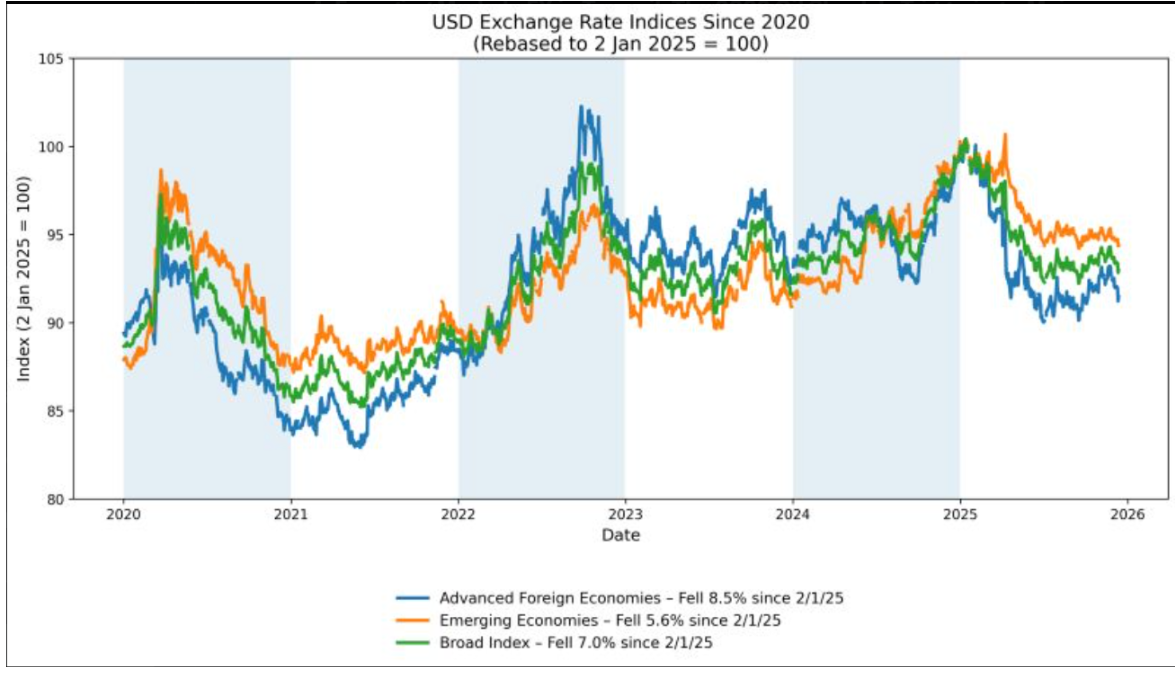
Since the beginning of the Hormuz crisis, the US Dollar Index has strengthened significantly, while many EM currencies have depreciated sharply. The Indian rupee, Brazilian real, South African rand, Indonesian rupiah, and Turkish lira are among the hardest hit.
Analysts estimate that the oil price shock alone has added between 4% and 8% depreciation pressure on oil-importing EM currencies in just the past six weeks.
The mechanism is clear and brutal:
- Higher oil prices increase current-account deficits in oil-importing emerging economies.
- Imported inflation forces central banks to keep interest rates high or even hike them, limiting monetary easing.
- Stronger USD makes dollar-denominated debt more expensive to service and triggers capital outflows from EMs toward safer US assets.
- Reduced investor appetite for risk leads to lower portfolio flows into EM bonds and equities.
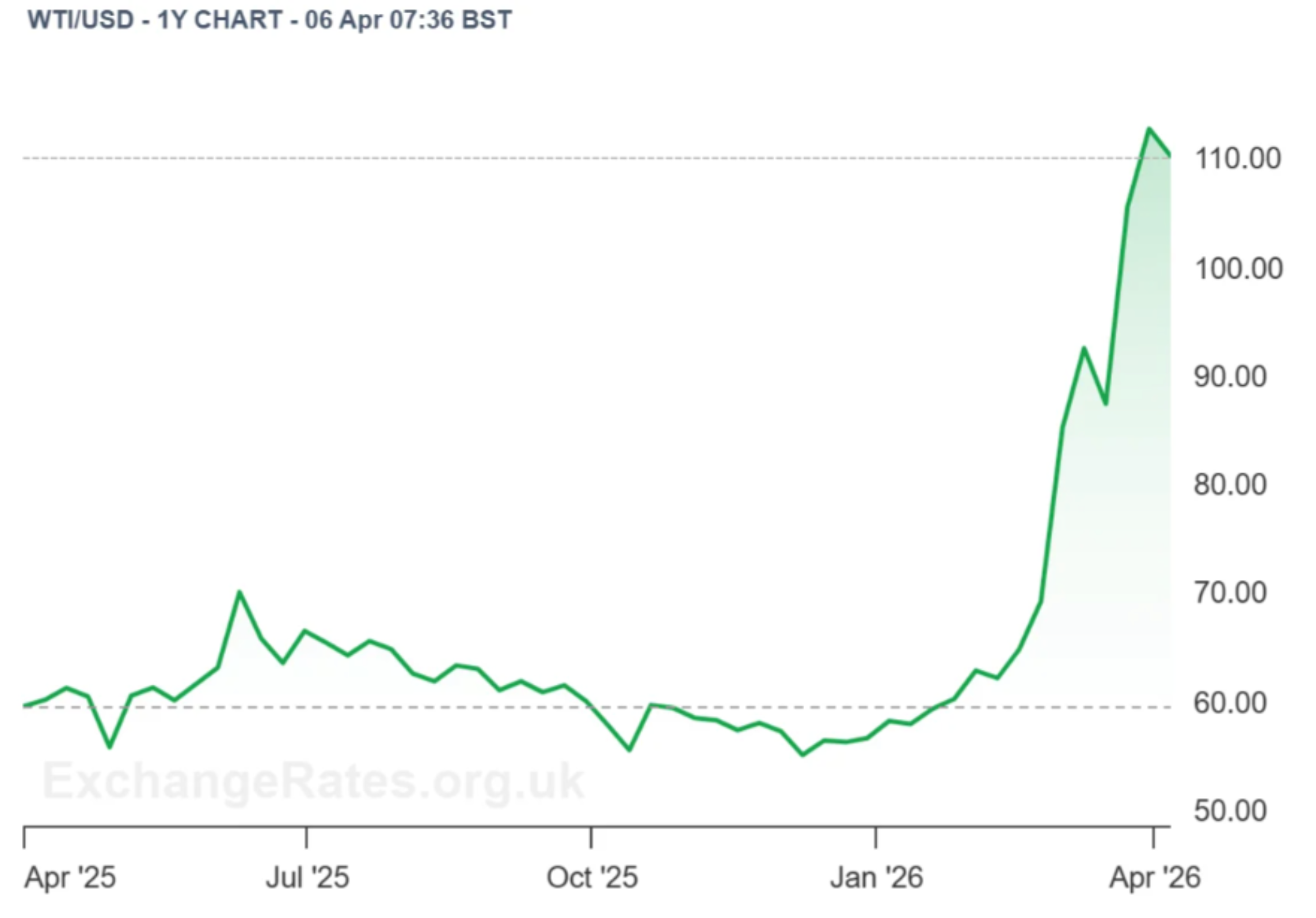
Figure 1
WTI crude surged sharply into April 2026, illustrating the scale of the oil shock driving inflation and FX stress across emerging markets.
Source: ExchangeRates
Countries like India, which imports over 85% of its oil, and Indonesia are seeing their currencies weaken rapidly despite intervention from their central banks. In Latin America, the Brazilian real and Mexican peso are also feeling the heat, even where some economies benefit from higher oil revenues, because the stronger dollar is outweighing much of that support.
Bottom line: The 2026 oil shock has turned into a major EM FX crisis. The combination of expensive energy and a strong dollar is creating a painful triple squeeze on emerging markets: higher inflation, weaker growth, and depreciating currencies.
Until the Hormuz situation stabilizes and oil prices ease meaningfully, emerging market currencies are likely to remain under heavy pressure through the rest of 2026. Investors and policymakers in EMs are now facing a harsher reality, one in which energy geopolitics directly shapes currency stability.