The Path to Recession: How a Prolonged War Could Drag the US and Europe into Economic Downturn
Persistent conflict is keeping energy prices high, squeezing growth, and increasing the risk of recession on both sides of the Atlantic.
OpenMacro
A prolonged war is turning an energy shock into a broader growth crisis. Higher oil prices, weaker confidence, tighter financial conditions, and policy constraints are raising recession risks in both Europe and the US, with Europe facing the sharper immediate threat.
As geopolitical tensions simmer and the war in key regions shows no signs of ending, economists are sounding alarms about the growing risk of recession on both sides of the Atlantic.
What started as supply disruptions has morphed into a persistent drag on growth, with energy prices spiking and confidence eroding. If the conflict drags on through the rest of 2026 and beyond, the mechanisms for a downturn are already in motion: higher costs squeezing households and businesses, central banks caught in a policy bind, and divergent impacts hitting Europe harder than the more resilient US economy.
The most immediate channel is the energy shock. Prolonged war has kept global oil markets tight, with prices surging as supply routes face risks and production uncertainties linger. In Europe, where dependence on imported energy remains acute despite diversification efforts, this translates directly into higher utility bills and production costs.
German manufacturers, already reeling from past deindustrialization pressures, report shrinking order backlogs as factories face elevated input prices. A recent IMF analysis suggests that sustained oil prices above $100 per barrel could shave up to 1.5 percentage points off eurozone GDP growth this year alone.
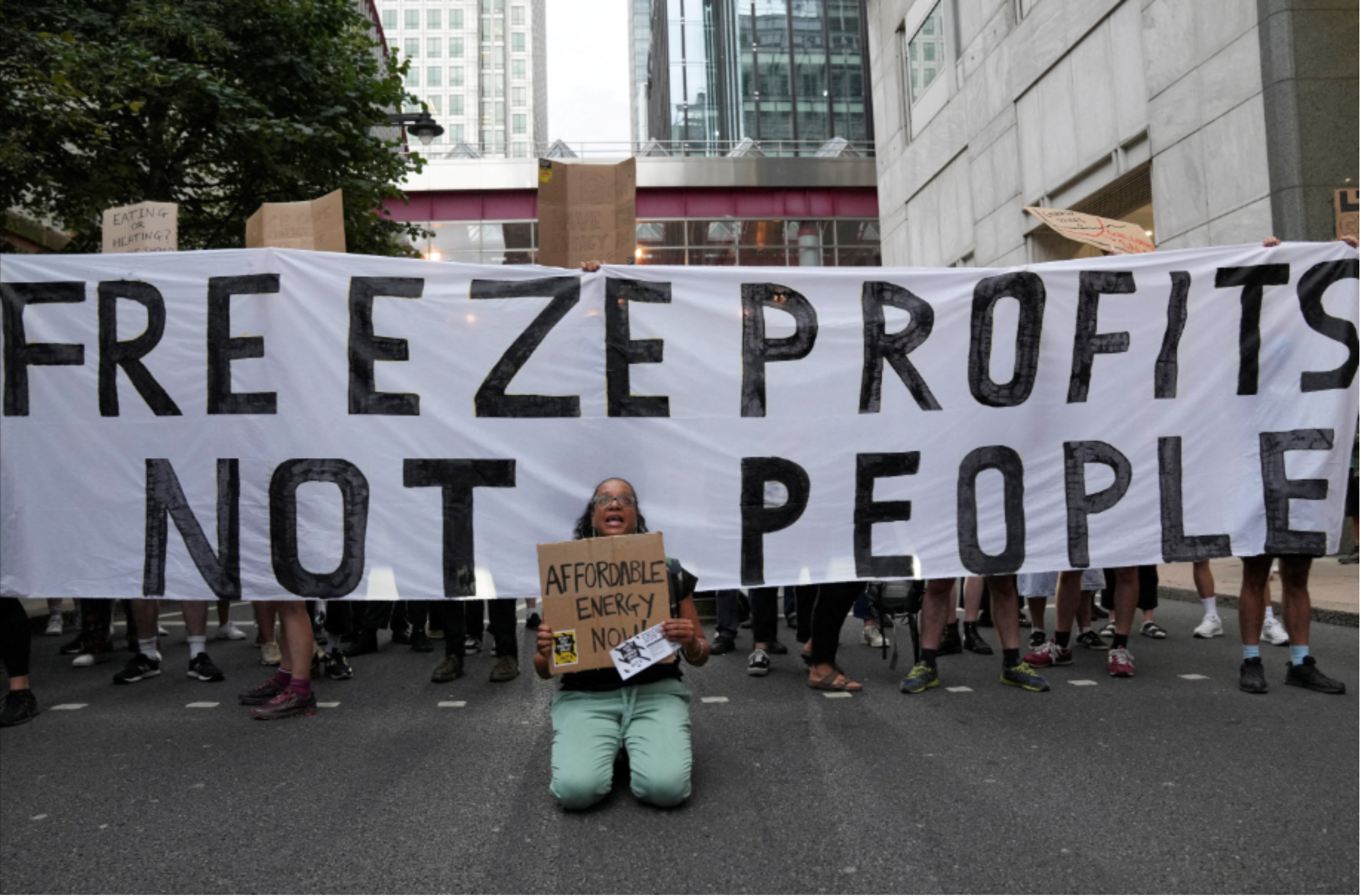
Figure 1
Rising energy costs are not only an economic issue but a social one, fueling public frustration as households face higher living expenses.
Source: OpenMacro
Protests over soaring energy costs have erupted across cities from Paris to Warsaw, underscoring the social strain. Families are cutting back on discretionary spending, while energy-intensive industries such as chemicals and autos scale back operations. This feeds into broader supply-chain strains, with food commodities, metals, and fertilizers all affected by disrupted trade routes tied to the conflict.
In the US, the picture is somewhat brighter but far from immune. Domestic shale production provides a buffer, yet higher global oil prices still feed through to gasoline and transportation costs, hitting consumers directly. Retail sales data already show softening in non-essential categories, and business investment surveys indicate hesitation amid uncertainty. The stock market has reflected this volatility, with sharp two-day drops reminiscent of past crises.
Monetary policy adds another layer of risk. Central banks on both sides of the Atlantic face a stagflation dilemma: inflation reaccelerating from energy while growth falters. The ECB has signaled reluctance to cut rates aggressively if the war persists, fearing imported inflation. In the US, the Fed’s projections for 2% inflation look increasingly optimistic if energy shocks continue.
Tighter financial conditions, including higher borrowing costs for mortgages, loans, and corporate debt, could tip fragile sectors like housing and small businesses over the edge. Europe’s vulnerability is structural. Countries like Germany and Italy, with heavy manufacturing bases, are particularly exposed. Some private forecasters now estimate recession risks above 40% if energy prices remain elevated through winter. Unemployment queues are already lengthening in vulnerable regions, echoing past downturns.
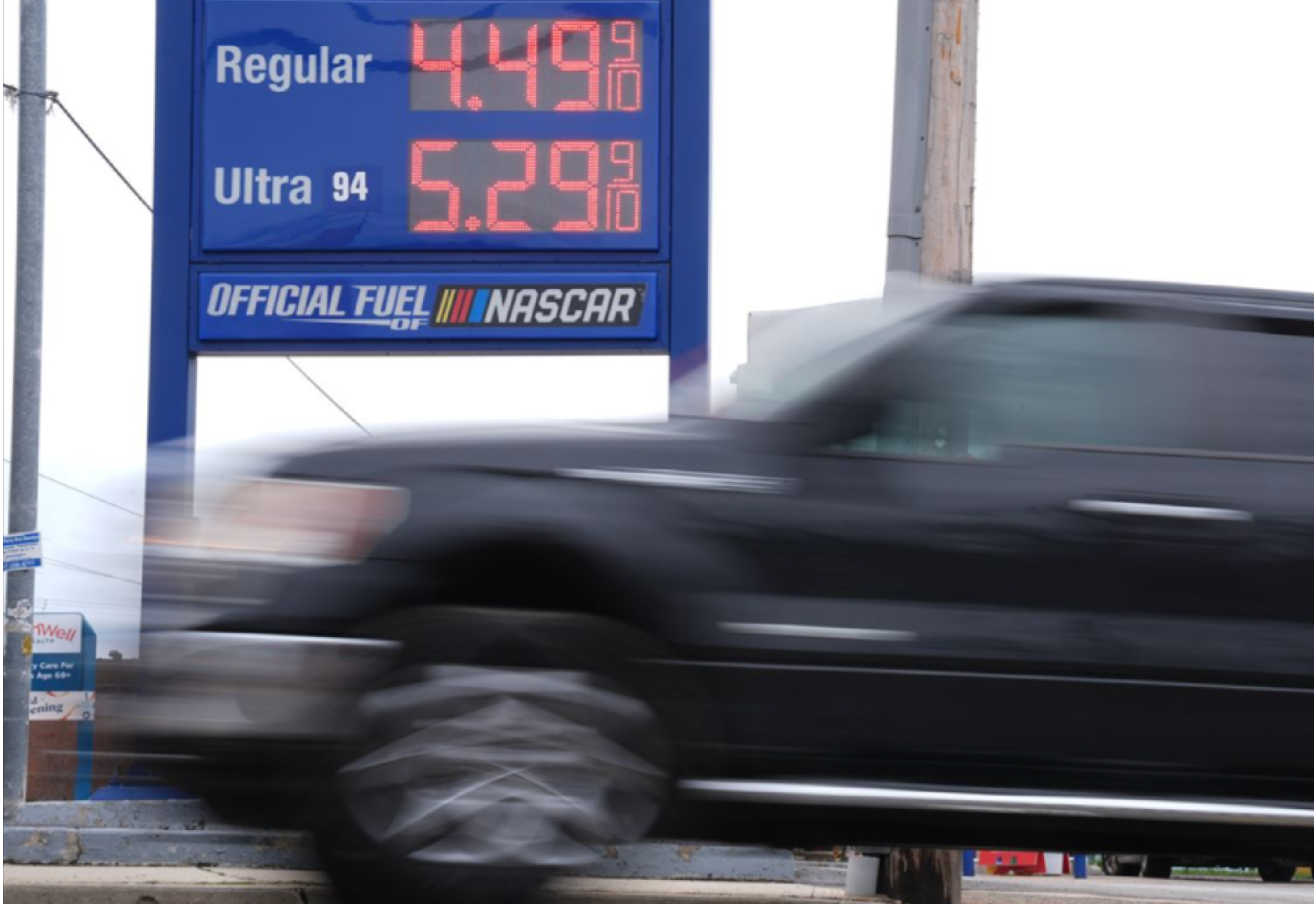
Figure 2
Higher gasoline prices are one of the fastest ways prolonged conflict transmits economic stress to households and consumption.
Source: OpenMacro
The US, while more diversified, is not spared. Slower European demand would weigh on exports, and weakening consumer confidence could trigger a self-reinforcing cycle of reduced spending. IMF scenarios paint a grim picture, with global growth dipping toward 2% in a prolonged-conflict case and major economies flirting with technical recession.
Experts warn that the longer the war persists, the harder recession becomes to avoid. One senior economist at a major investment bank described the dynamic as a classic supply-side shock turning into demand destruction. Business leaders echo that view, pointing to delayed capital projects and hiring freezes.
Without de-escalation, the transatlantic economies could slide into synchronized slowdown by late 2026 or early 2027. Policymakers still have tools, including fiscal support and targeted energy subsidies, but political divisions and debt constraints limit their scope. The war’s shadow is already hanging over boardrooms and household budgets alike. If it continues unchecked, recession may no longer be a question of if, but when.