US Inflation Reaccelerates: Energy Drives 3.3% Jump, Clouding the 2026 Outlook
A sharp rise in energy prices has pushed headline inflation higher again, complicating the Fed’s path and clouding the outlook for rate cuts in 2026.
OpenMacro
US inflation has reaccelerated, with headline CPI rising to 3.3% year over year in March 2026. Energy prices, especially gasoline, drove the jump, while sticky core components and higher inflation expectations are making the Fed’s policy outlook more difficult.
US inflation, which many hoped was on a steady path back to the Federal Reserve’s 2% target, has reignited. The latest Consumer Price Index release for March 2026, published earlier this month by the Bureau of Labor Statistics, showed headline inflation climbing to 3.3% year over year, up sharply from 2.4% in February. On a monthly basis, prices rose 0.9%, the strongest gain in months.
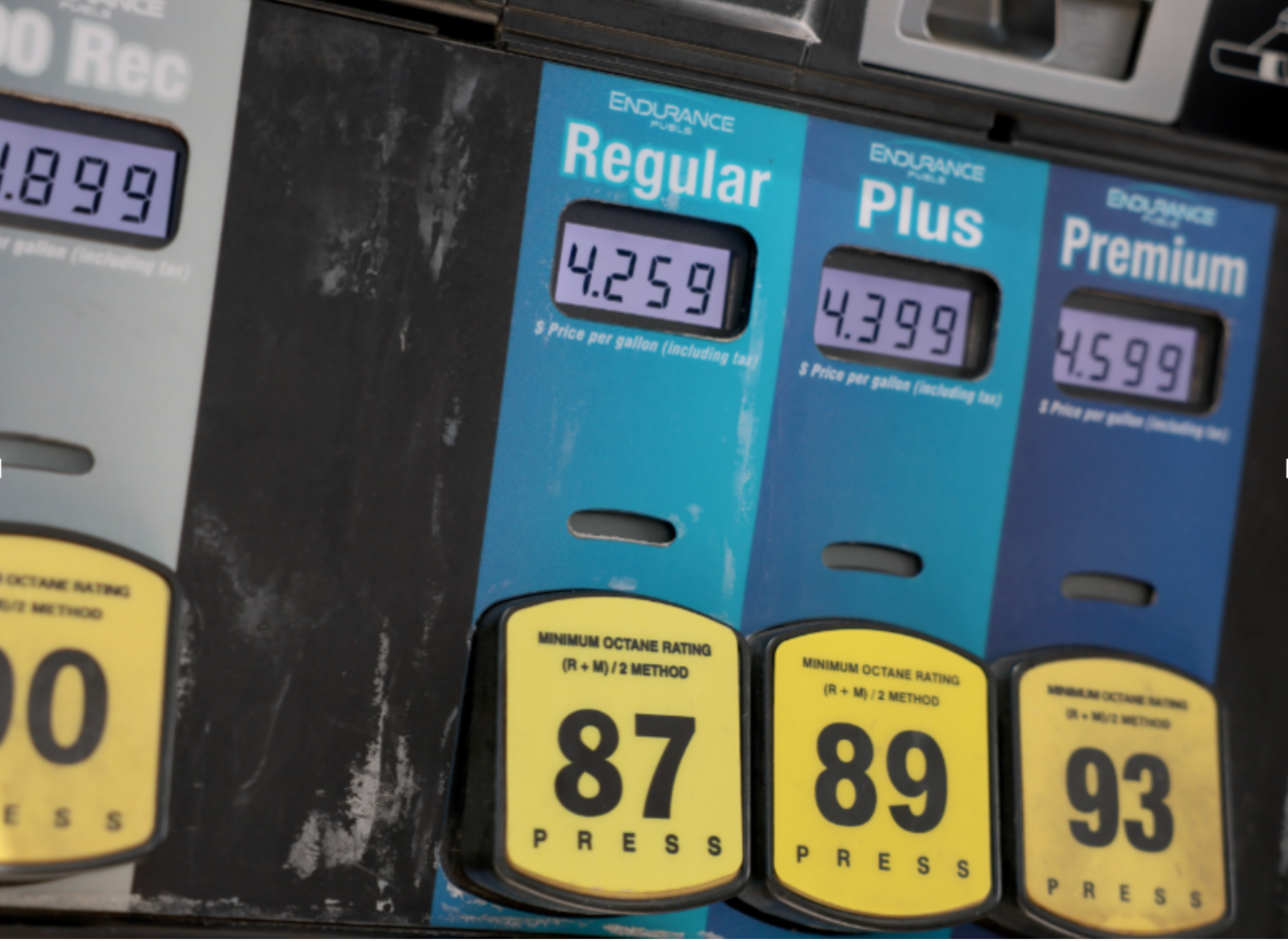
Energy costs were the clear culprit, with the energy index surging 10.9% in a single month and gasoline prices jumping more than 21%.
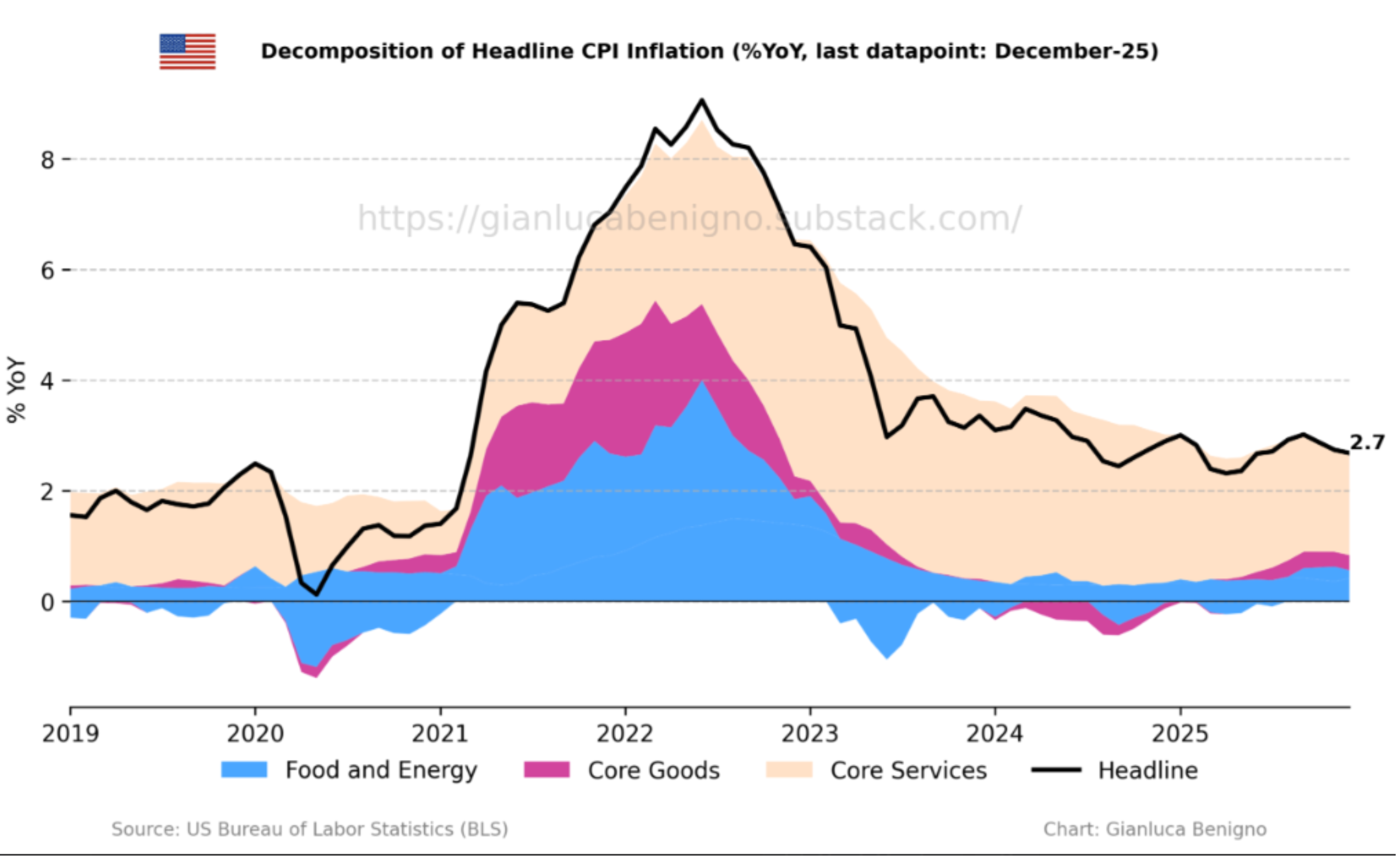
Figure 1
The latest inflation rebound reflects a renewed energy impulse layered on top of still-elevated core services inflation.
Source: US Bureau of Labor Statistics; chart by Gianluca Benigno
Core inflation, which strips out volatile food and energy, held steadier at around 2.6% year over year, but even that measure is showing signs of stickiness in services and shelter categories. This reacceleration comes amid ongoing geopolitical pressures, including conflicts affecting key oil routes like the Strait of Hormuz, which have amplified energy volatility.
Breaking down the data further, food prices edged higher but remained relatively contained compared to energy. Grocery shoppers across the country are still feeling the strain, with everyday items like dairy and packaged goods reflecting accumulated cost pressures passed on from producers. Transportation costs, heavily tied to fuel, added materially to the monthly jump. The picture is one of inflation that is not only higher, but also concentrated in the areas consumers feel most directly.
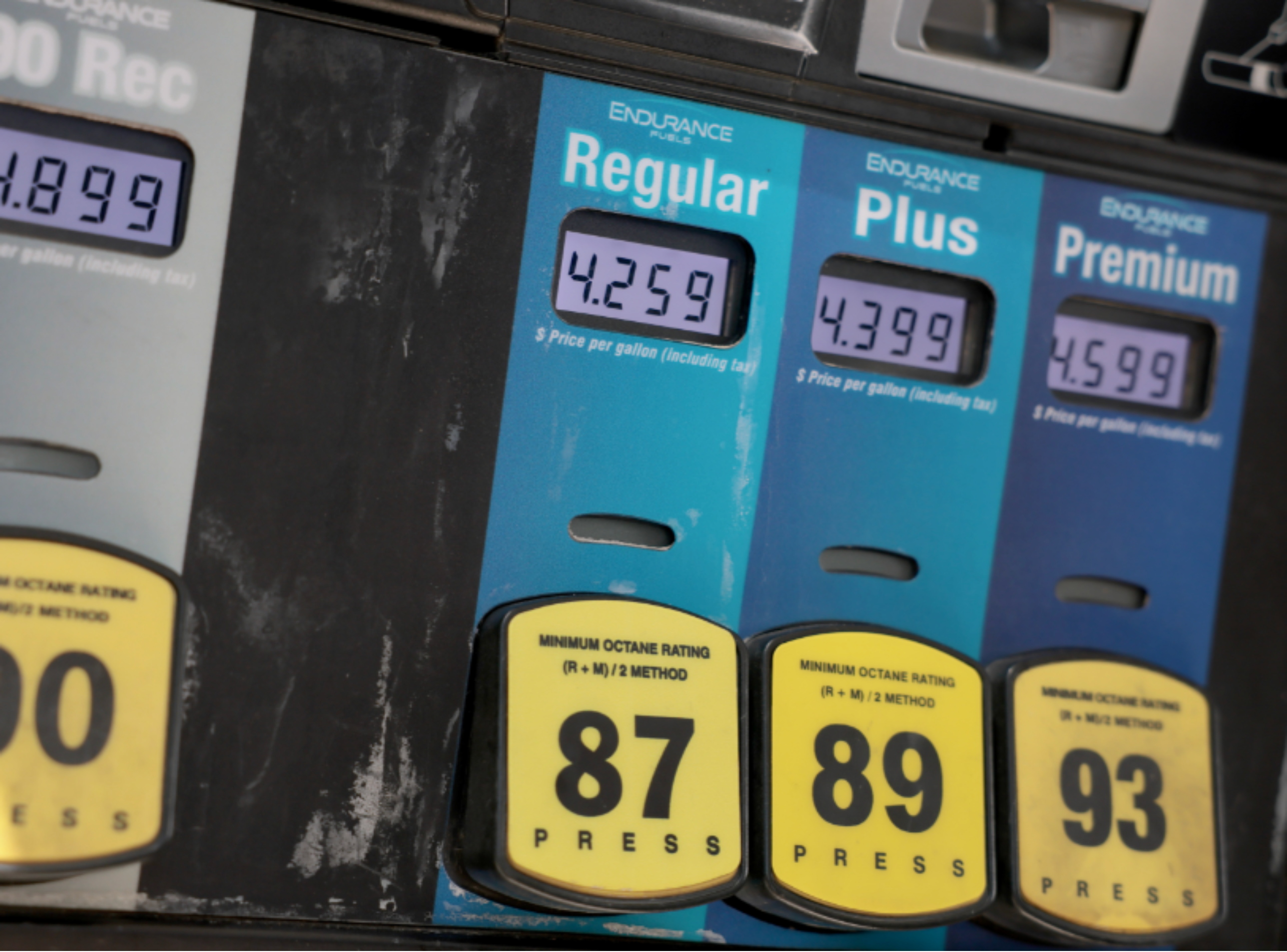
Figure 2
Higher fuel prices are one of the most visible ways energy shocks are feeding into household inflation.
Source: OpenMacro
Consumer inflation expectations have also moved up. University of Michigan surveys showed one-year-ahead expectations rising to 3.4%. Businesses facing higher input costs are adjusting pricing strategies cautiously but noticeably. This raises the risk that inflation expectations become more embedded, making it harder for the Fed to engineer a soft landing.
The Federal Reserve now faces a more delicate policy balance. Recent FOMC meetings have kept rates steady as officials assess cooling labor markets against renewed upside risks to inflation. Chair Jerome Powell has emphasized data dependence, noting that persistent energy shocks from global events could delay rate cuts that had previously been anticipated for later in 2026. Markets are now pricing in fewer easings than they were at the start of the year.
Figure 3
Reaccelerating inflation is making the Federal Reserve’s policy path more difficult and reducing confidence in early rate cuts.
Source: OpenMacro
Looking ahead, forecasts remain cautious. The Cleveland Fed’s nowcast and several private analysts project headline CPI could hover between 3.0% and 3.5% through mid-year if energy prices stay elevated. Upside risks include further geopolitical flare-ups, possible tariffs on imports, and wage pressure in a still-tight labor market. On the downside, easing supply chains and moderating demand could help pull inflation back toward target by late 2026, but only if the war-related shocks subside.
Historical context reminds us that energy-driven inflation spikes have often preceded broader economic adjustments. Cumulative inflation since 2013 has already significantly eroded household purchasing power.
For ordinary Americans, the implications are tangible. Higher costs for commuting, heating, and groceries continue to strain budgets already stretched by several years of elevated prices. Policymakers in Washington are watching closely, with some lawmakers calling for targeted relief measures. Yet the path forward depends heavily on developments far beyond US borders.
In summary, the March data confirm that inflation is rising again, driven mainly by energy and amplified by global events. While the US economy has shown resilience, the 2026 outlook now depends on whether these pressures prove temporary or become entrenched. Volatility is likely to remain high, and the next CPI prints will be critical for interpreting the Fed’s next moves.